NOTES
The Happiest Day of the Year is Followed by its Saddest
In case you feel like reliving the celebrations.
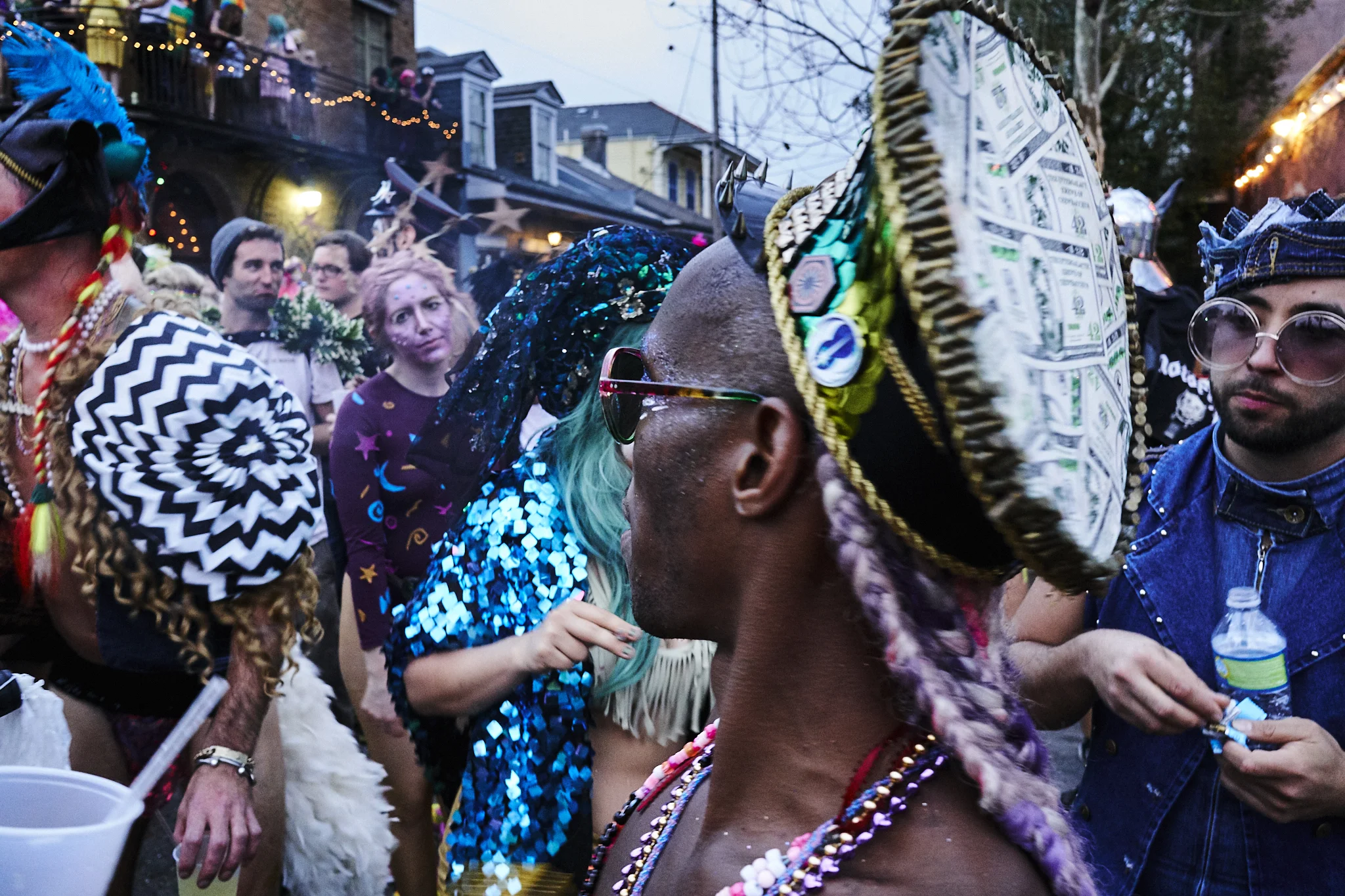
...I'm exaggerating, of course, but the post-Mardi Gras blues is real.
Only 348 more days until Mardi Gras 2018.
(Photos arranged in sequence of events.)
Email: info@carlosdetres.com









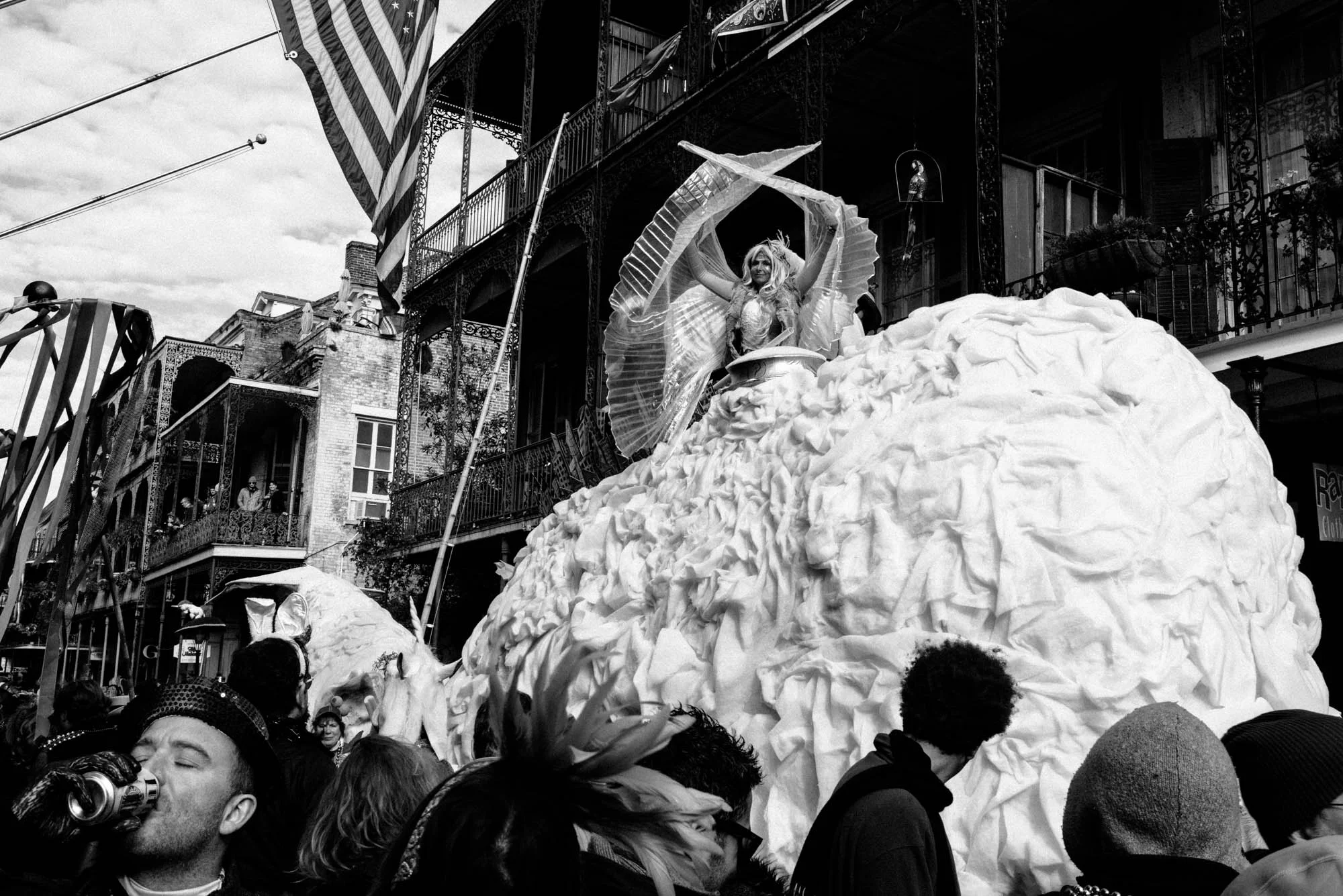
One Month Later
My first post of Mardi Gras 2015 photos.
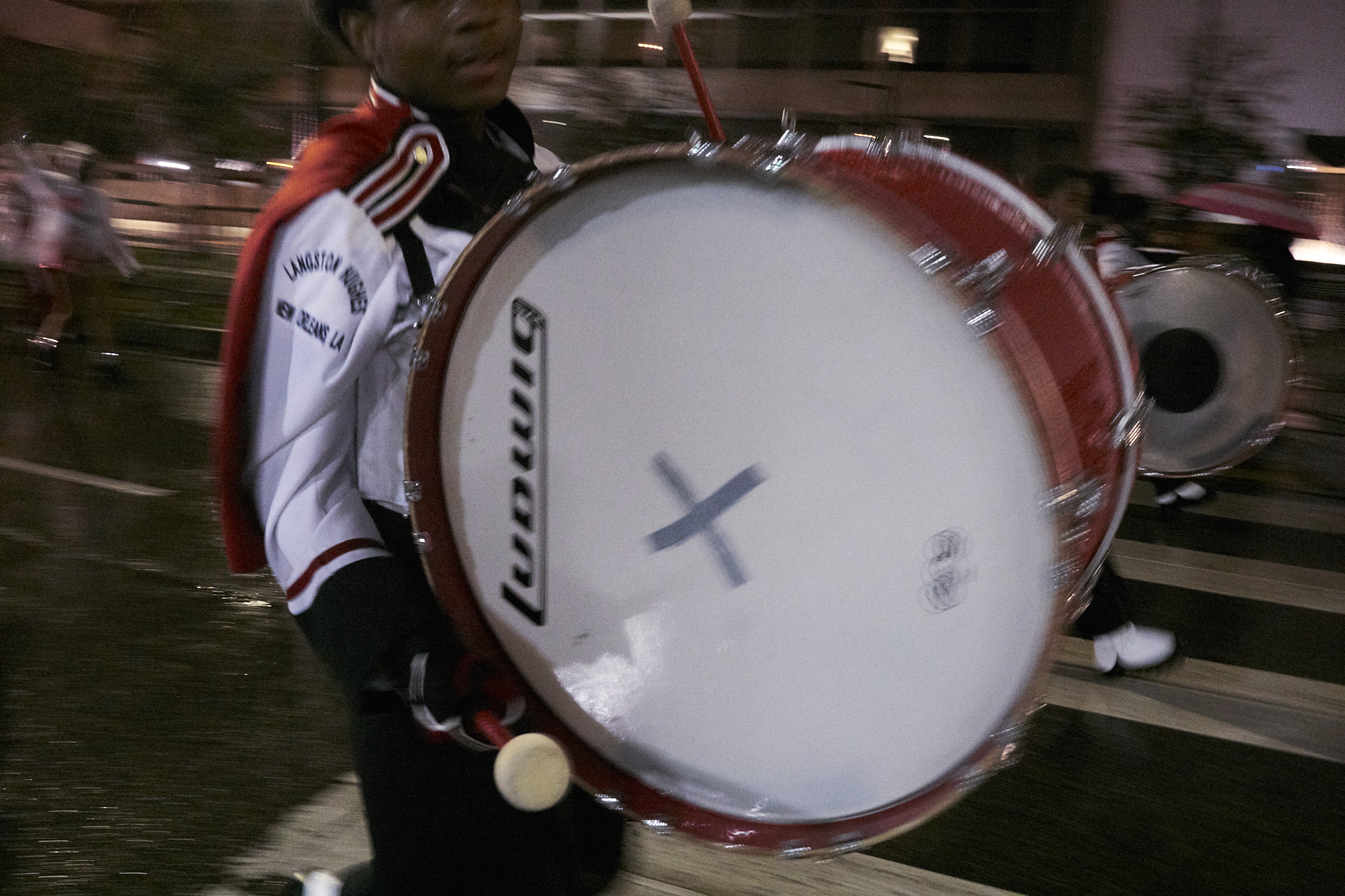
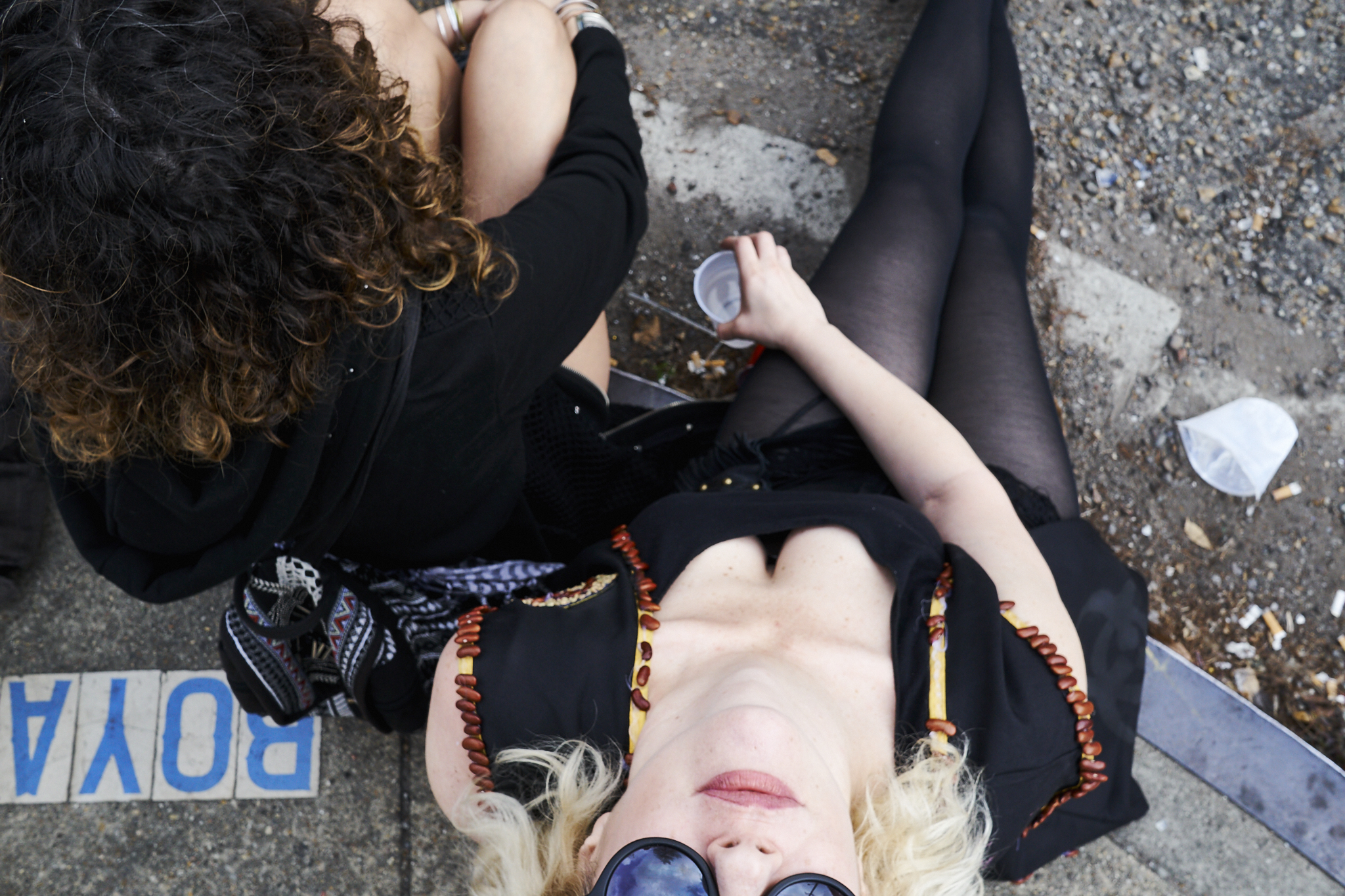
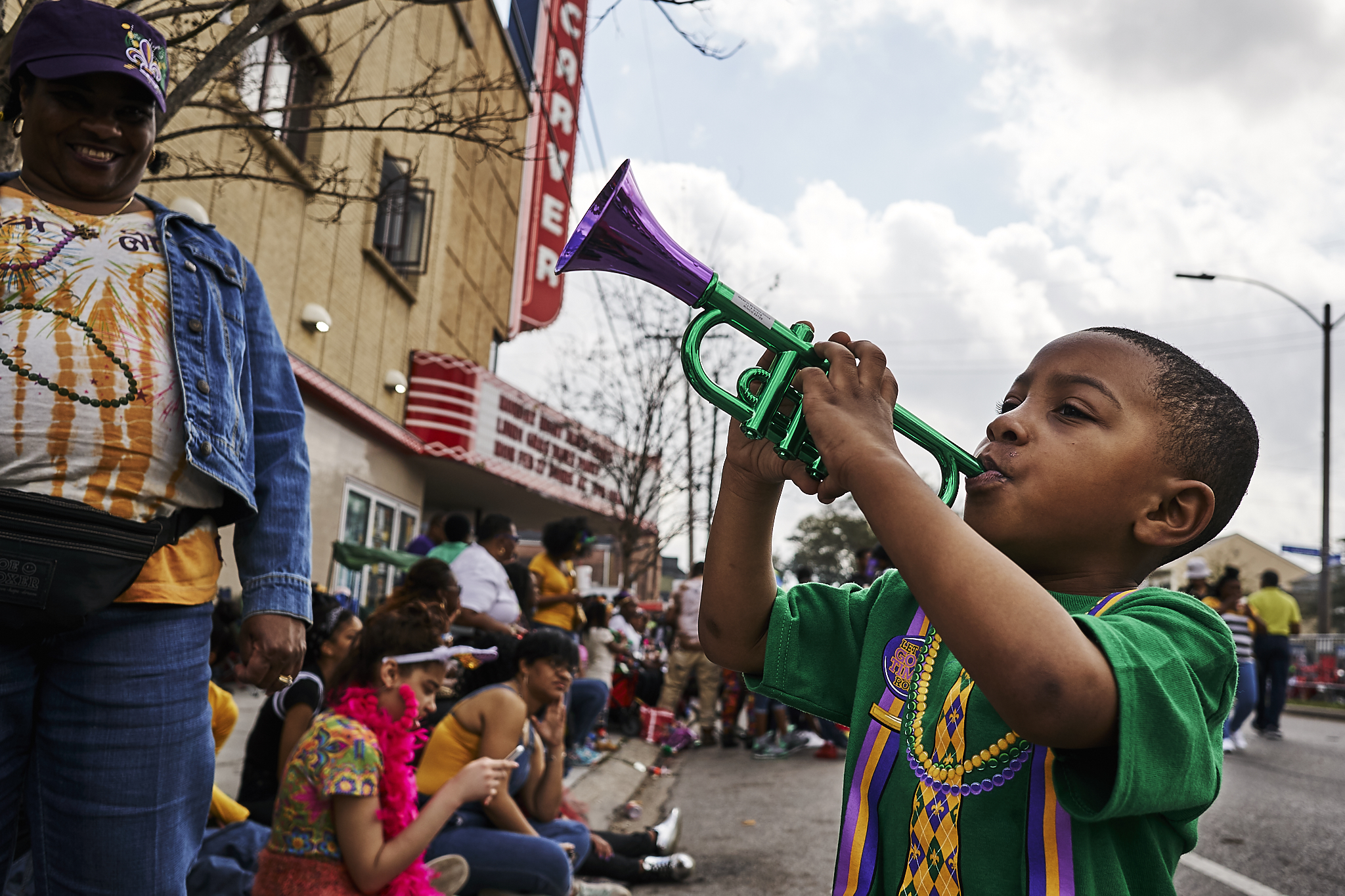
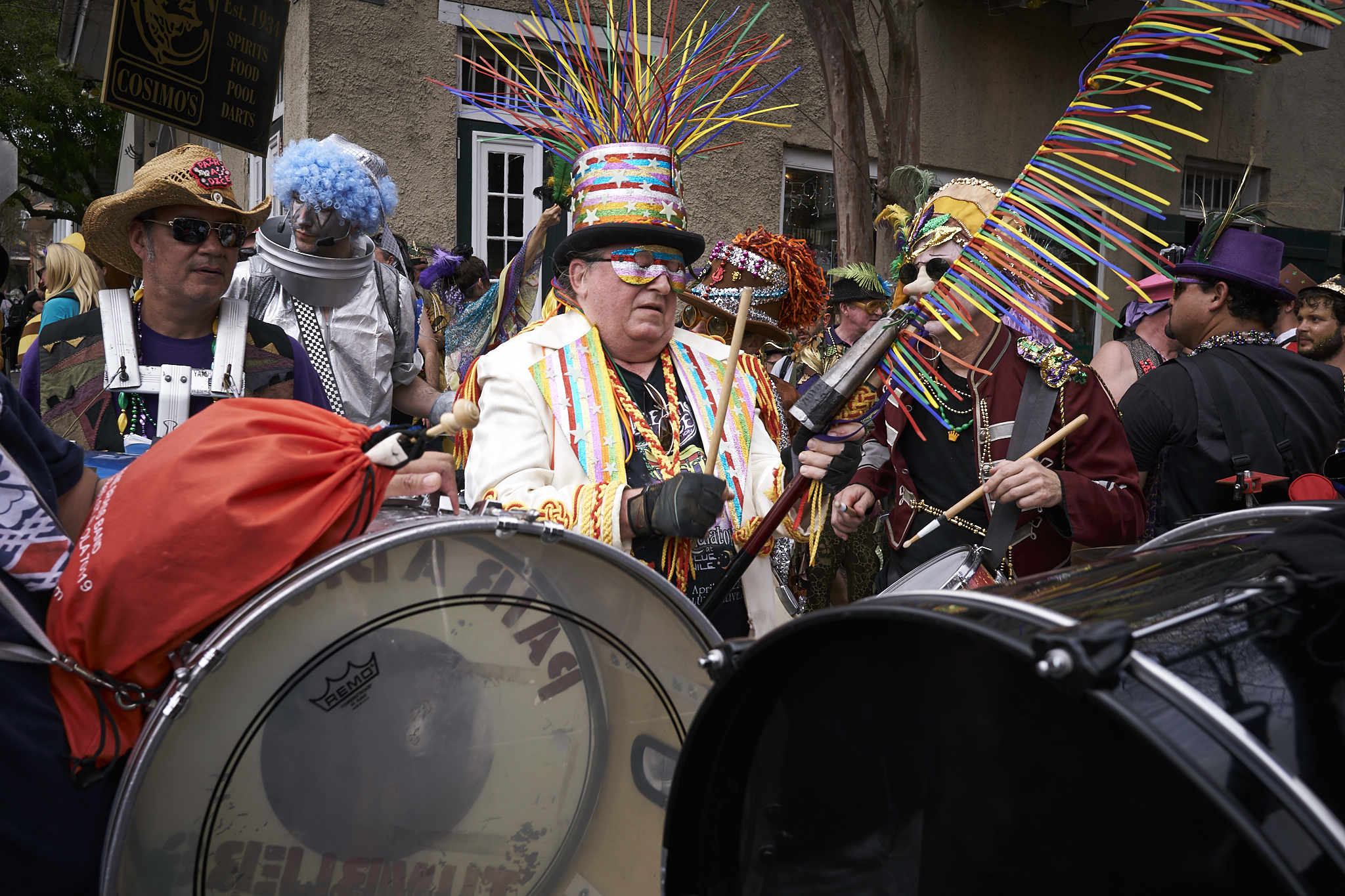
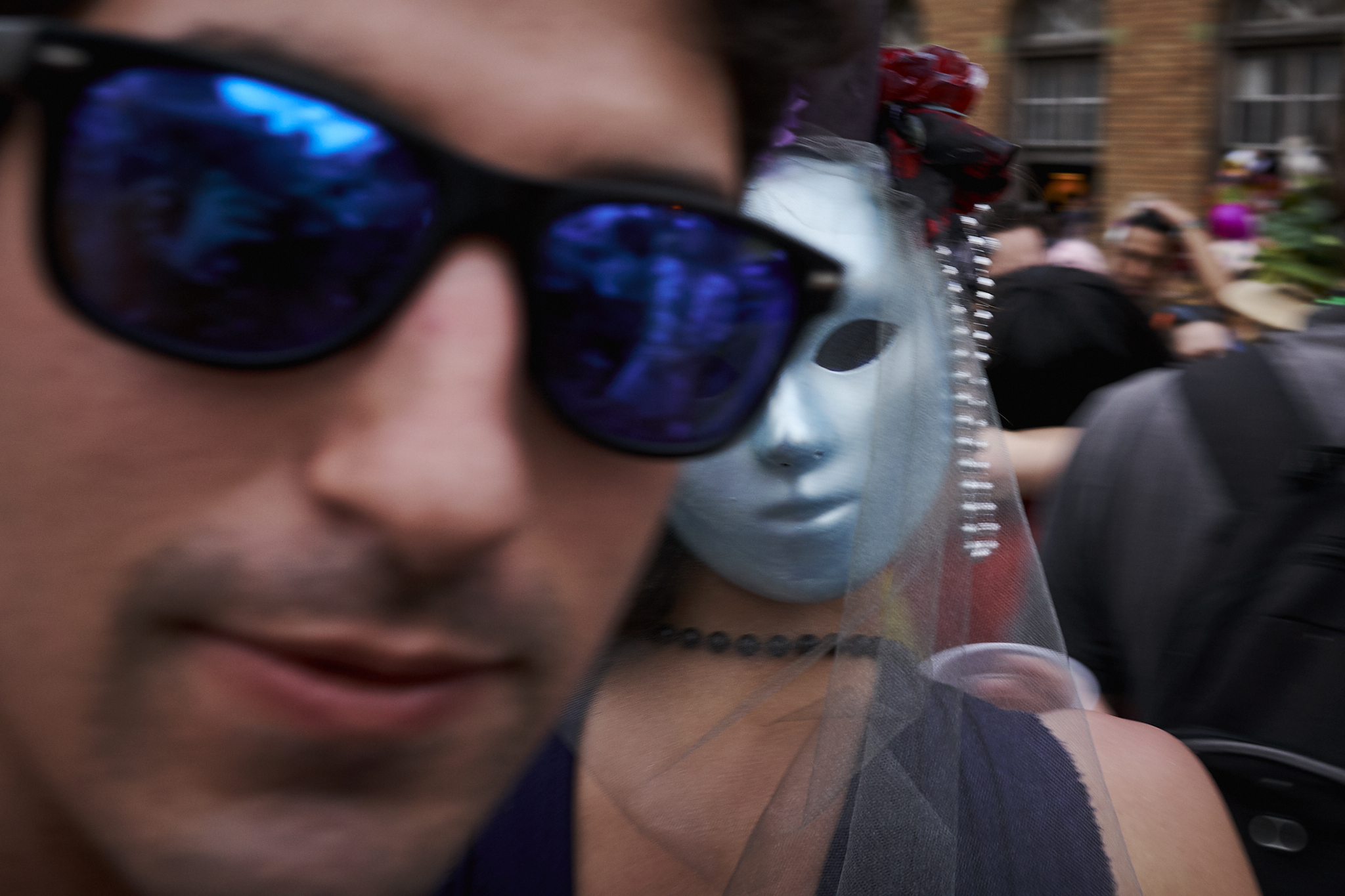
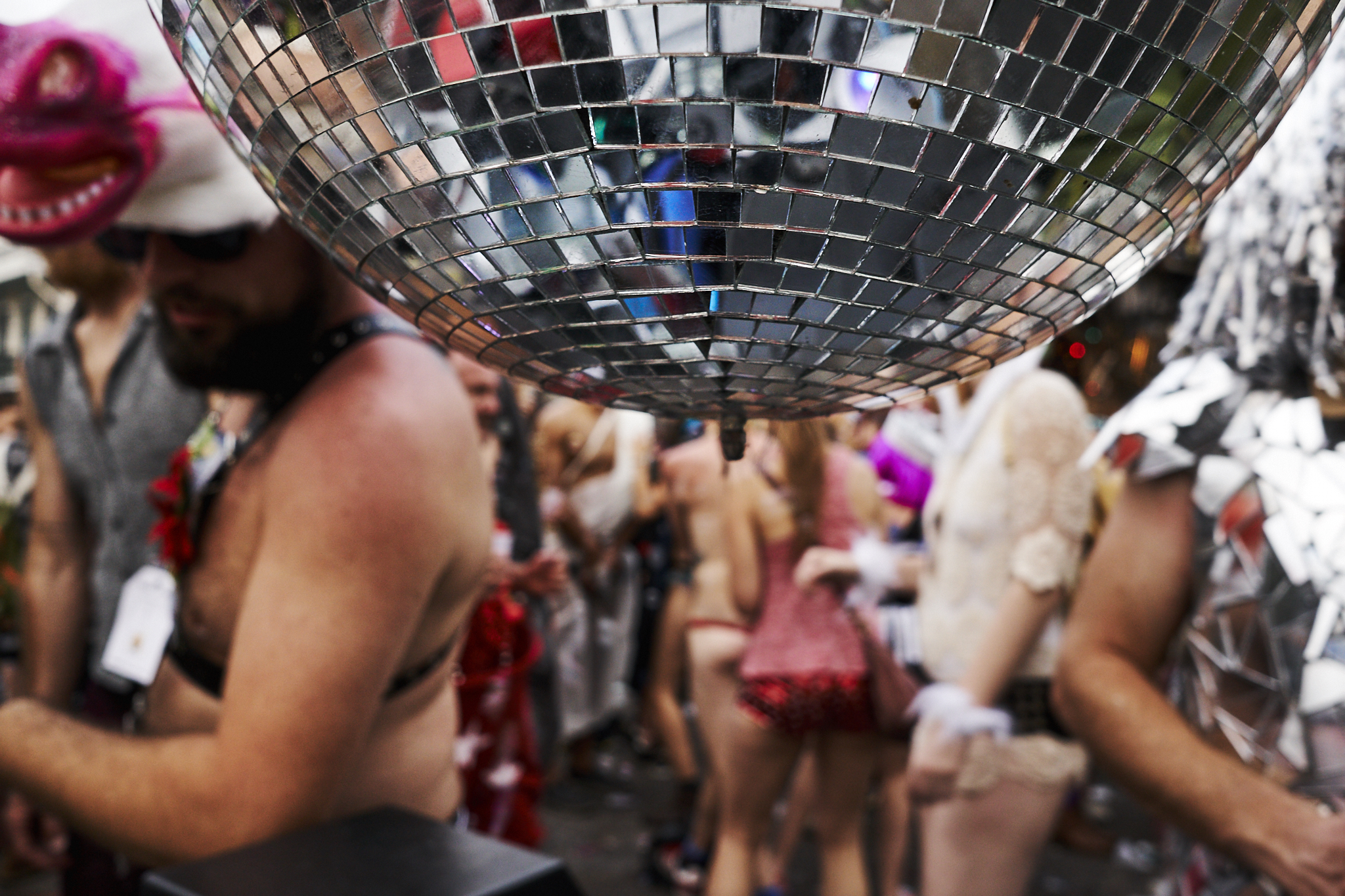
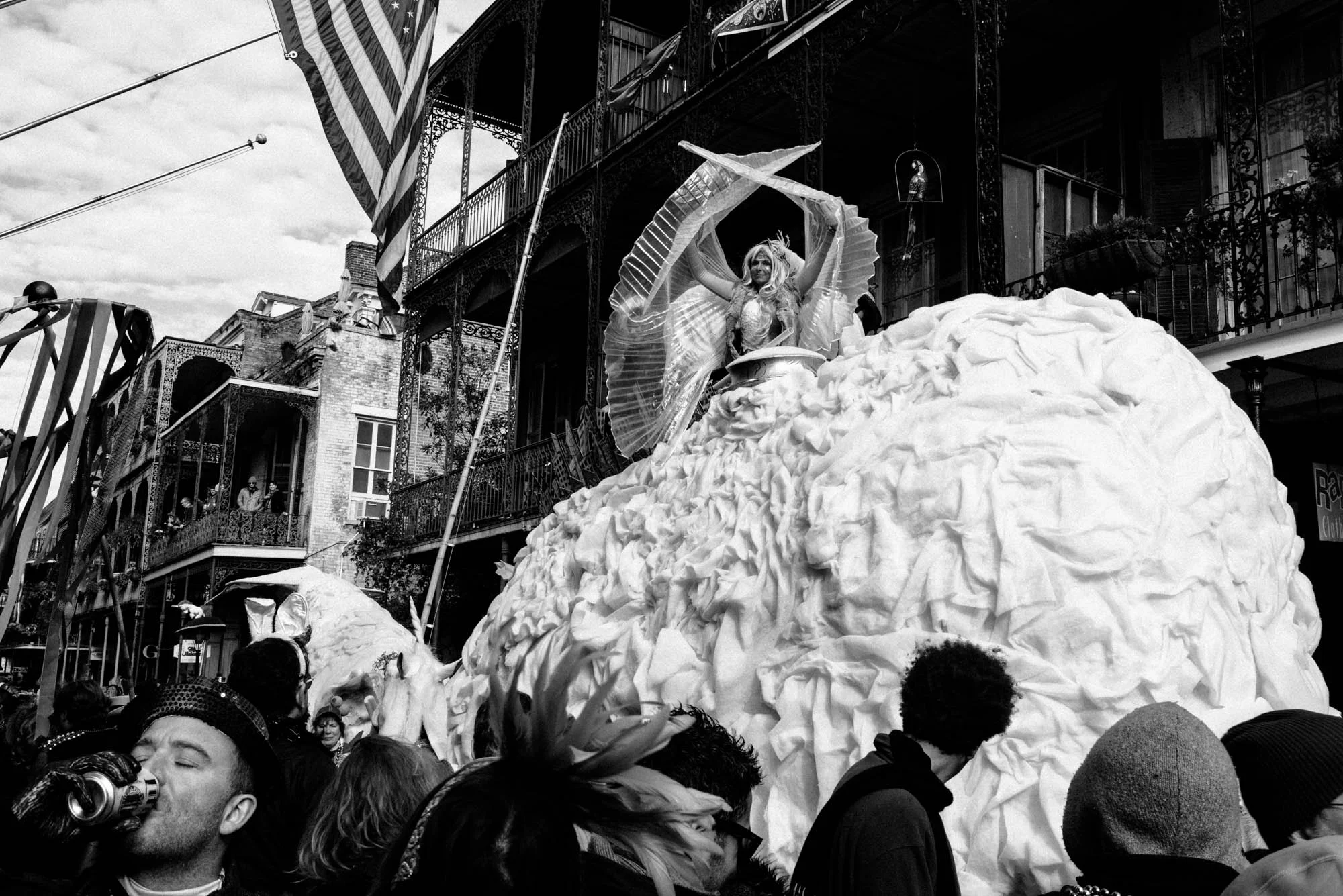
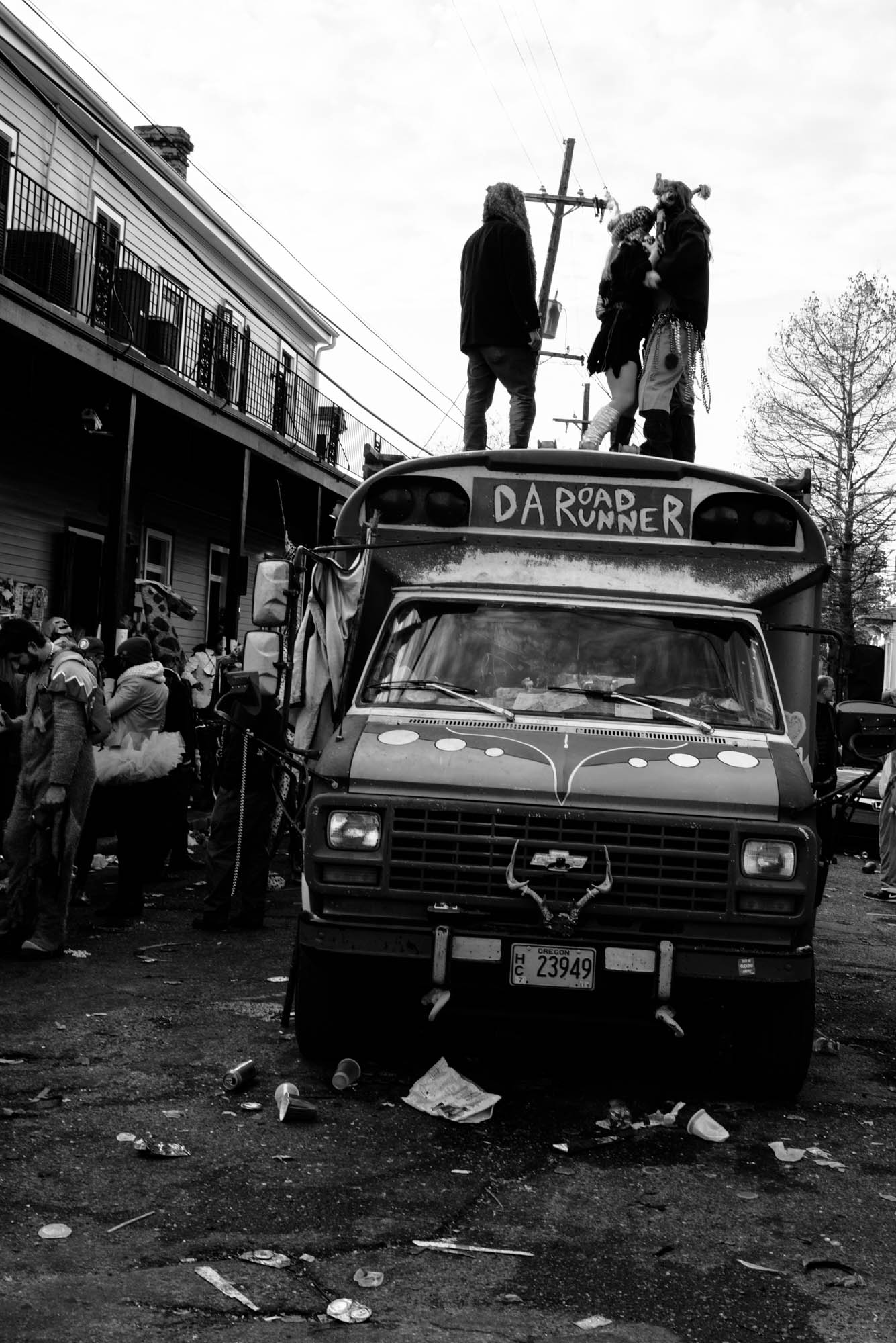
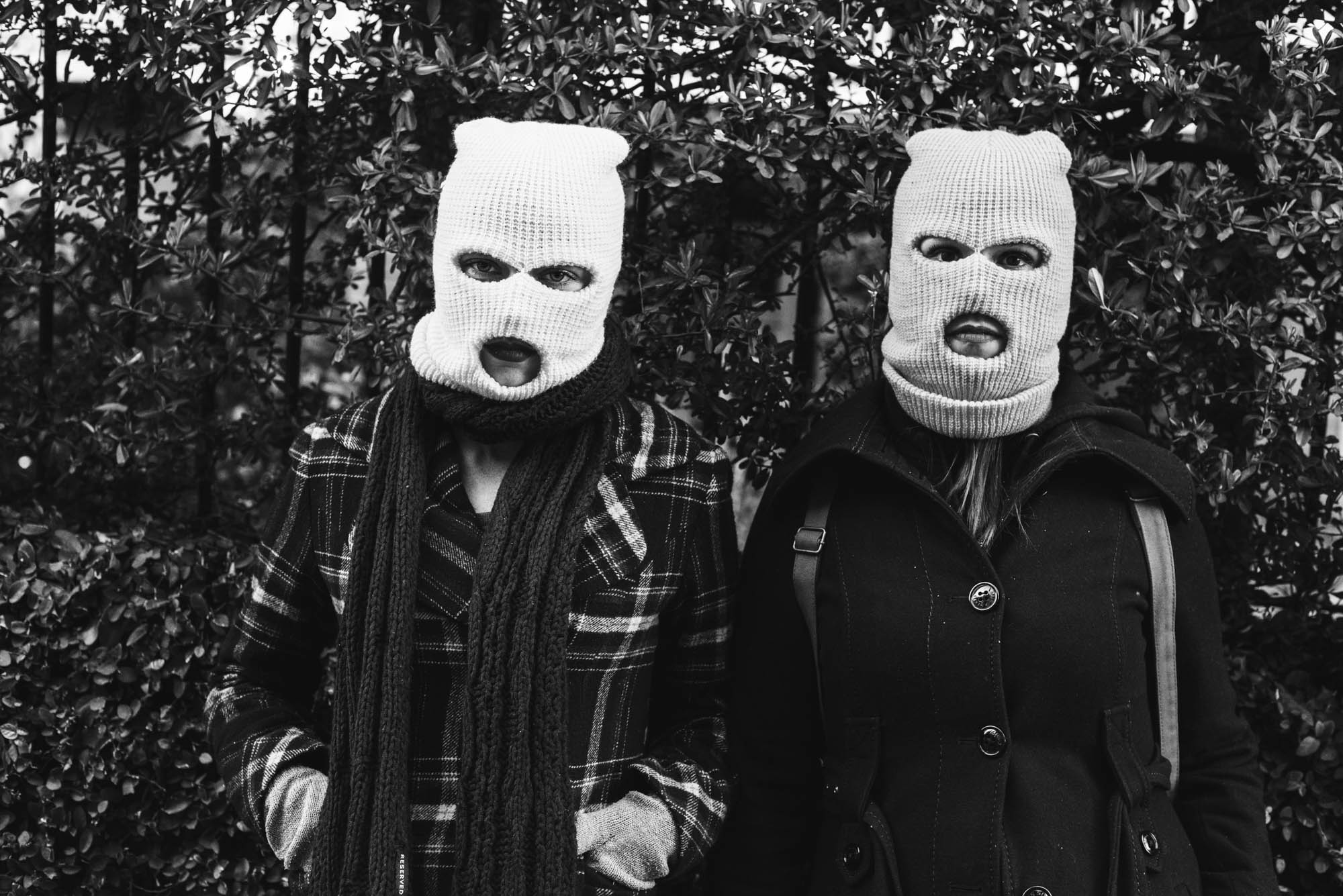
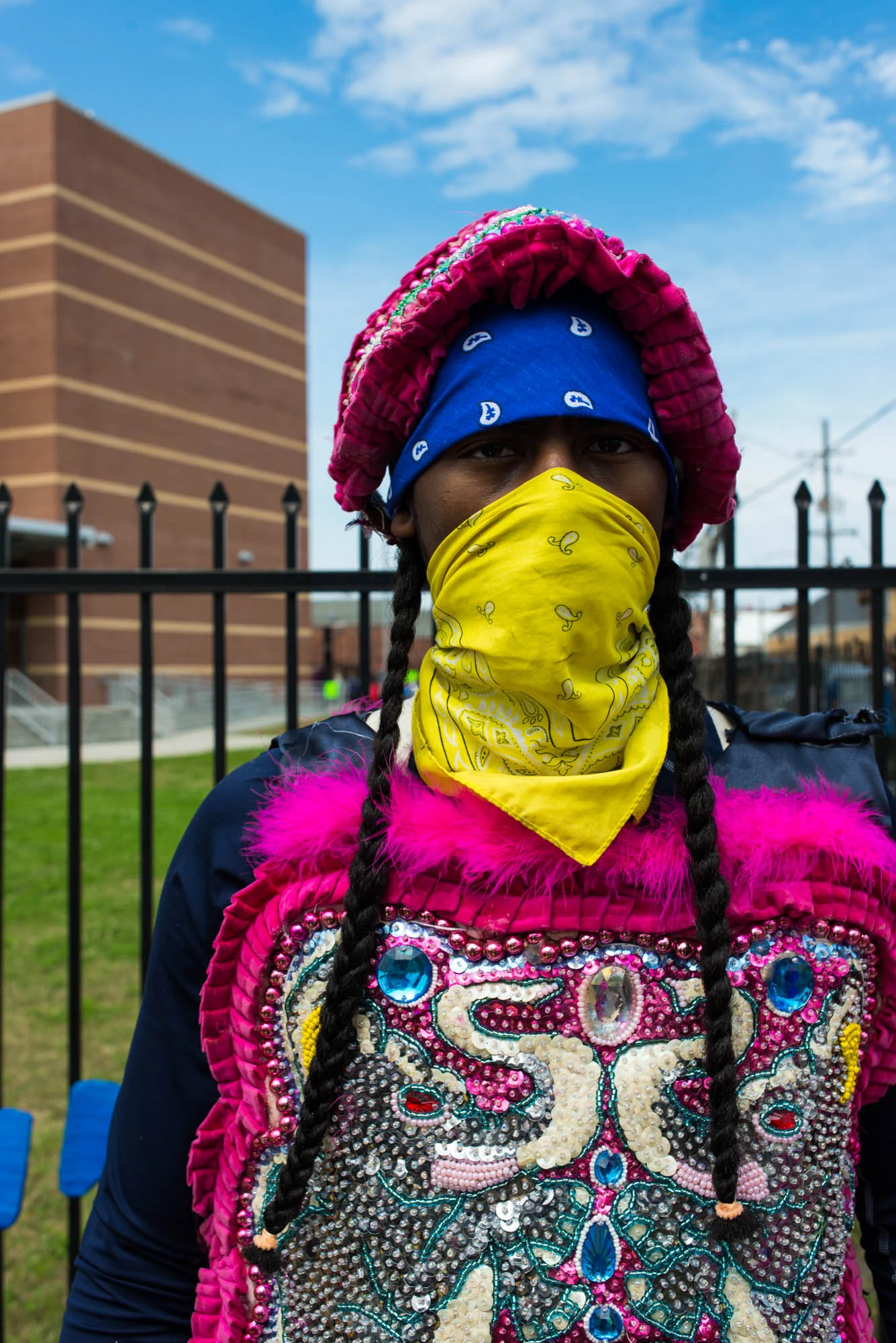
It's been a month since Mardi Gras. This is my first post of photos from March 17, 2015. The day, the entire season was overwhelmingly wonderful. So much that I've barely had anything to drink since. My typical fun nights had been food, some booze and music, which is all out of my system due to Carnival. My entire existence has been consumed by photography since.
I didn't take many photos during Mardi Gras because of how much there was to photograph (I kinda short circuited) and it was my first one. I wanted to really enjoy every bit of it without a camera slung around my neck. I broke my seemingly weightless Fujifilm x100s and carrying around a bulky, expensive DSLR just seemed like a bad idea.
If you were in New Orleans, I hope you had a great time and if you weren't, I hope you didn't freeze to death.
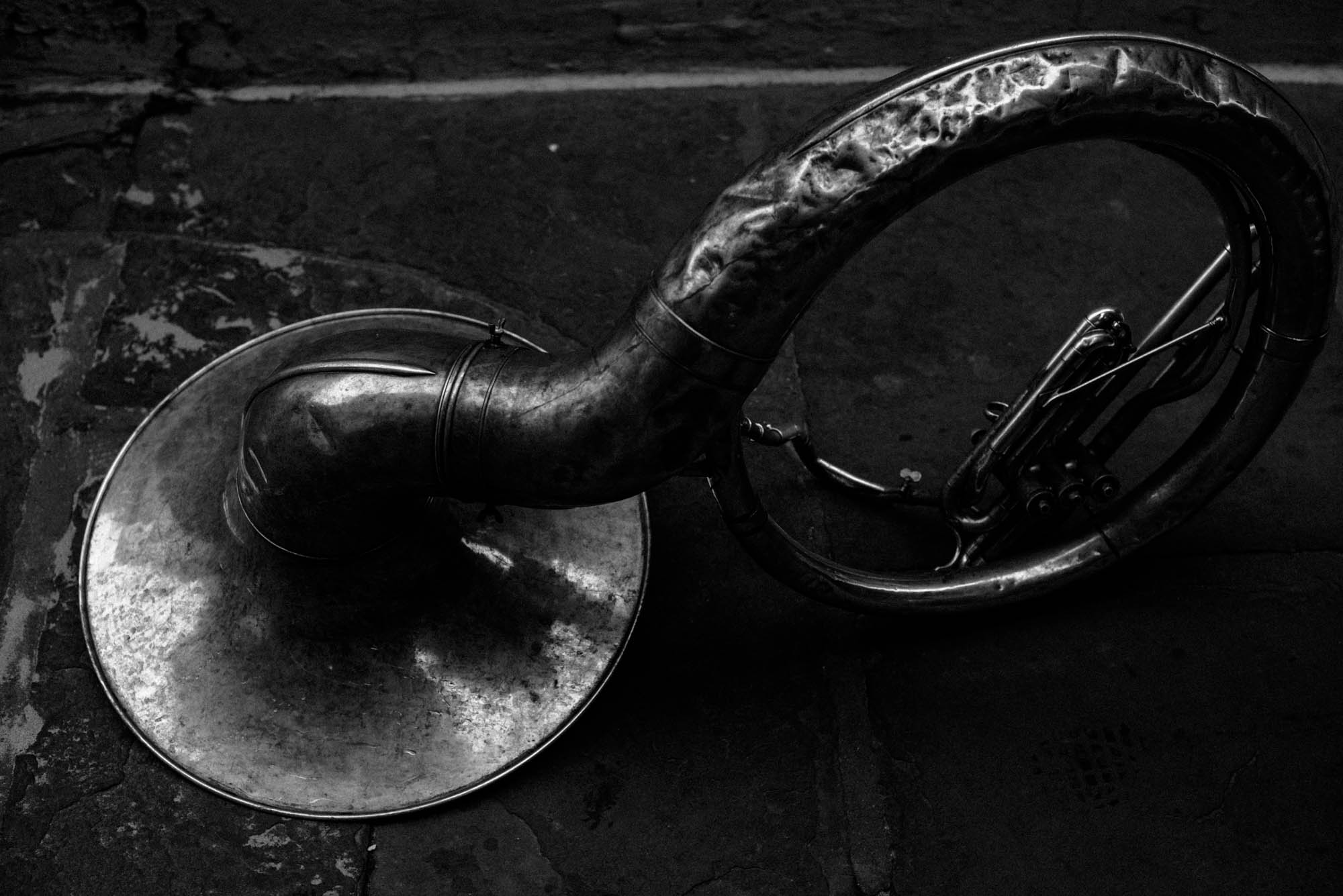
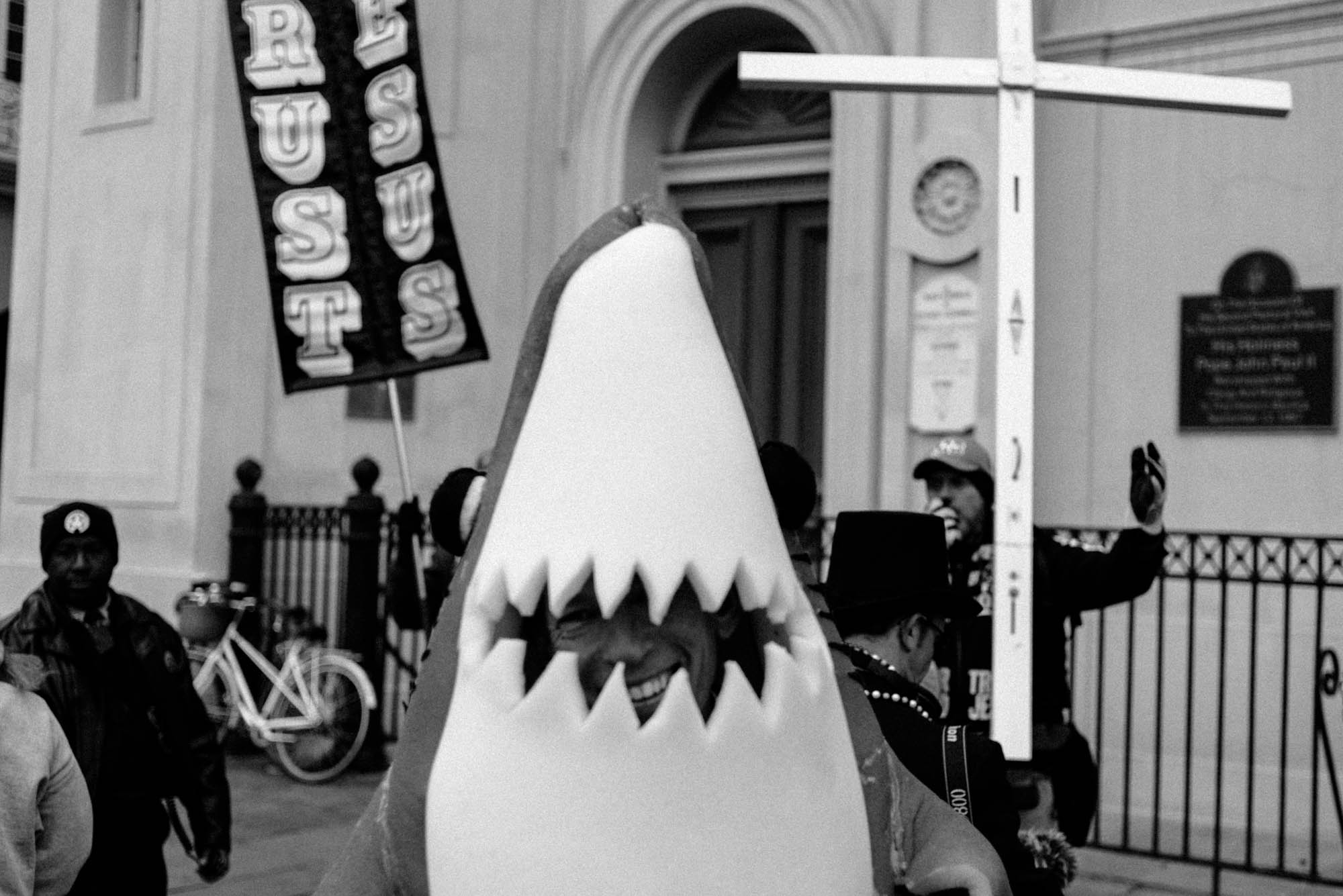
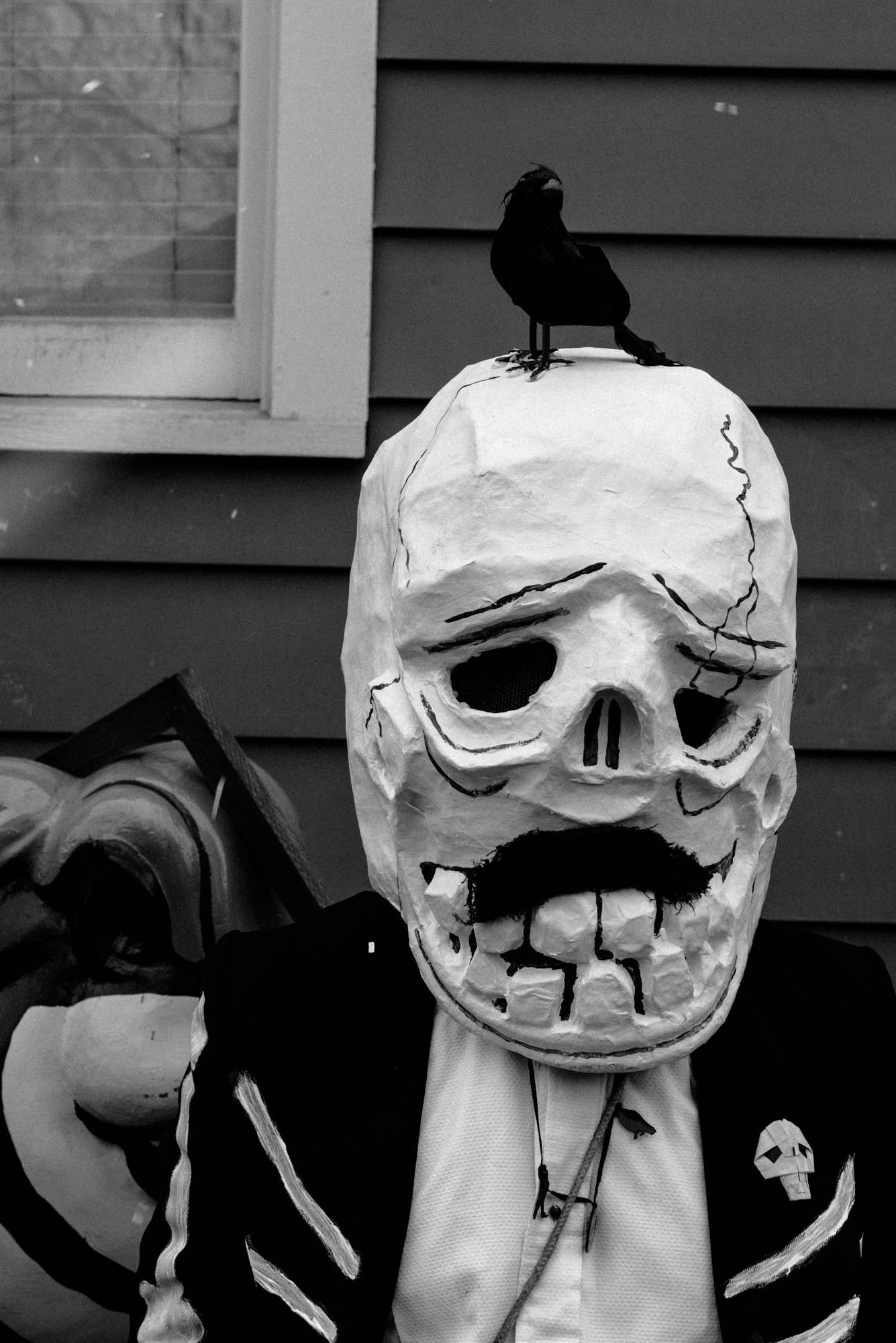
Super Sunday
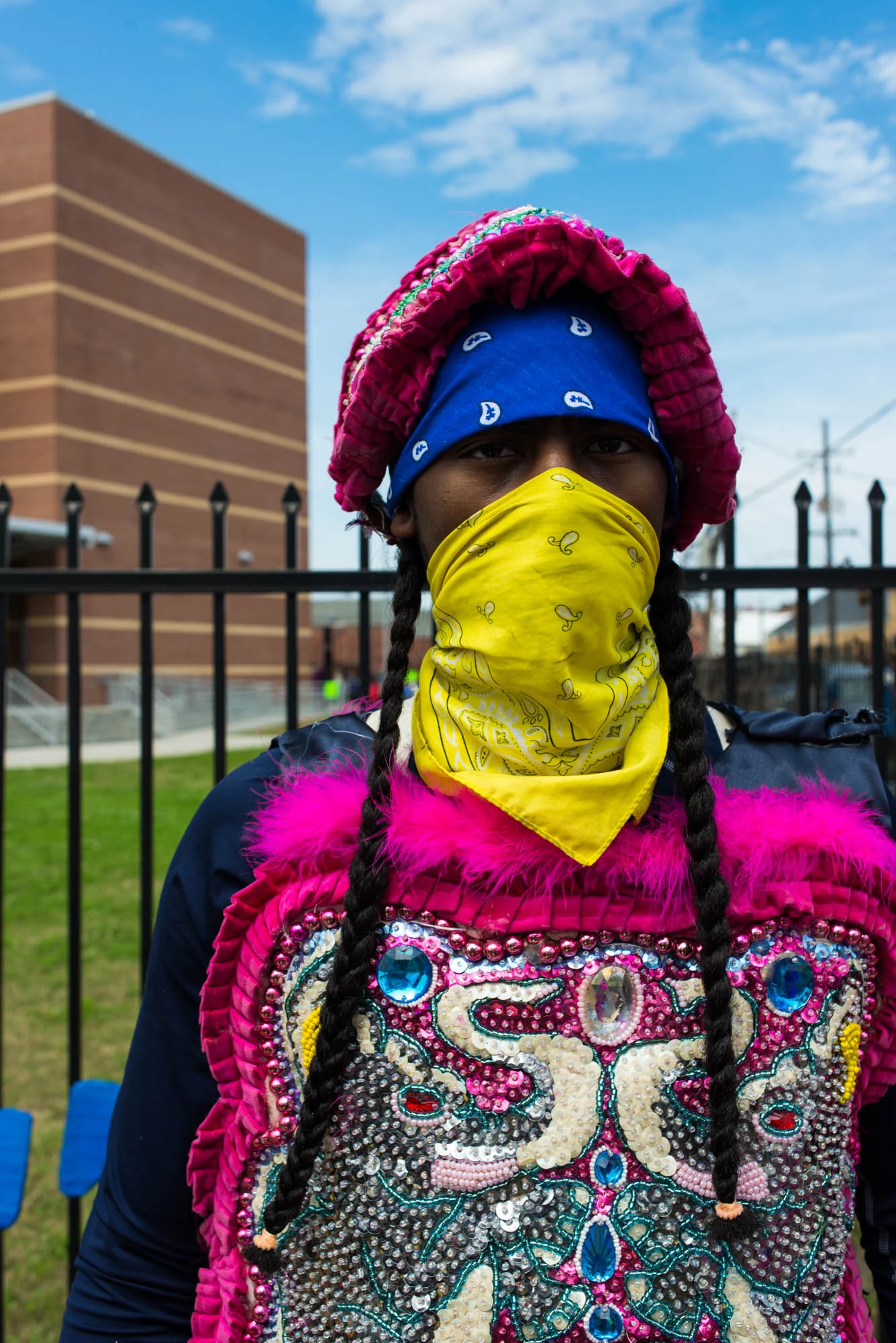
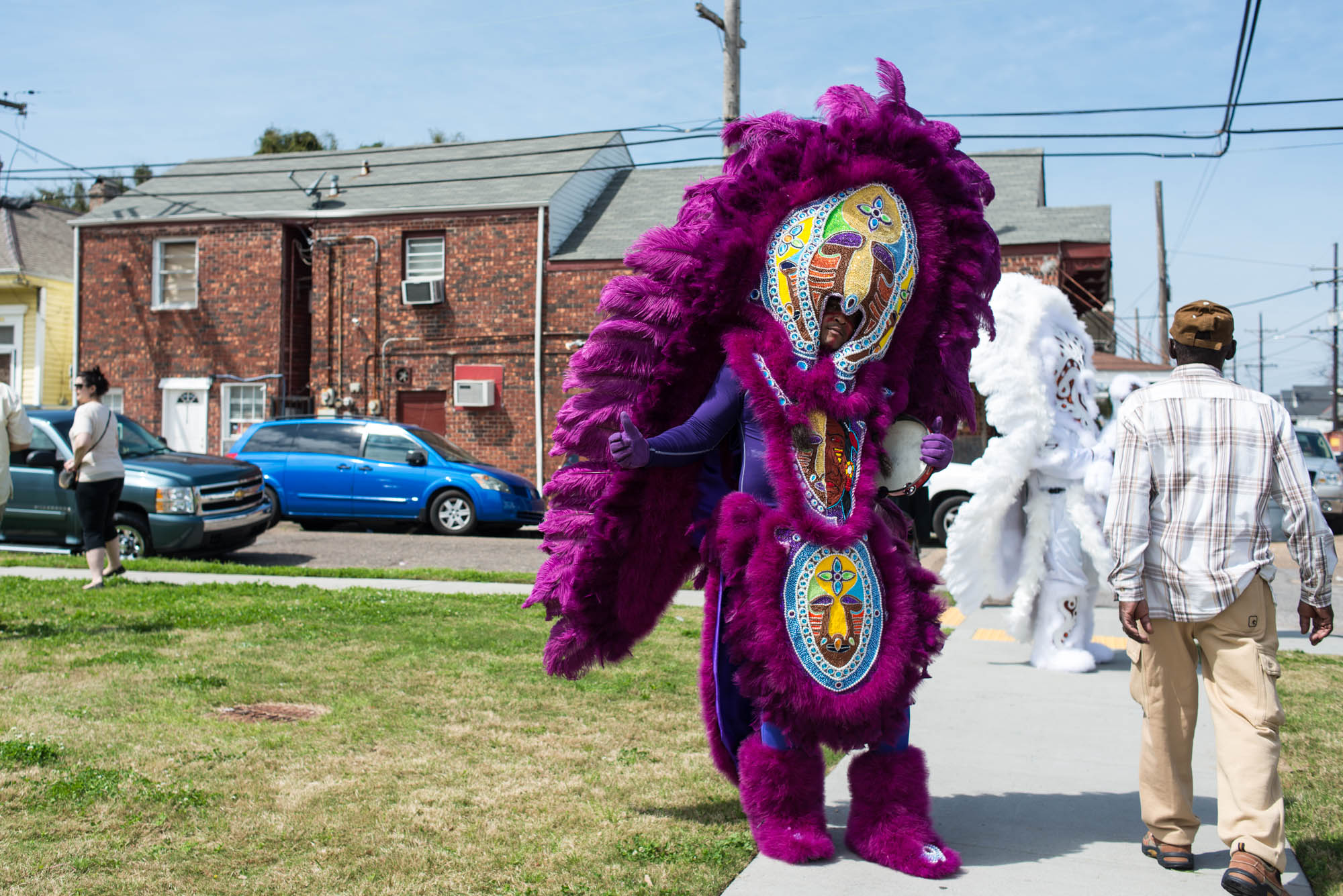
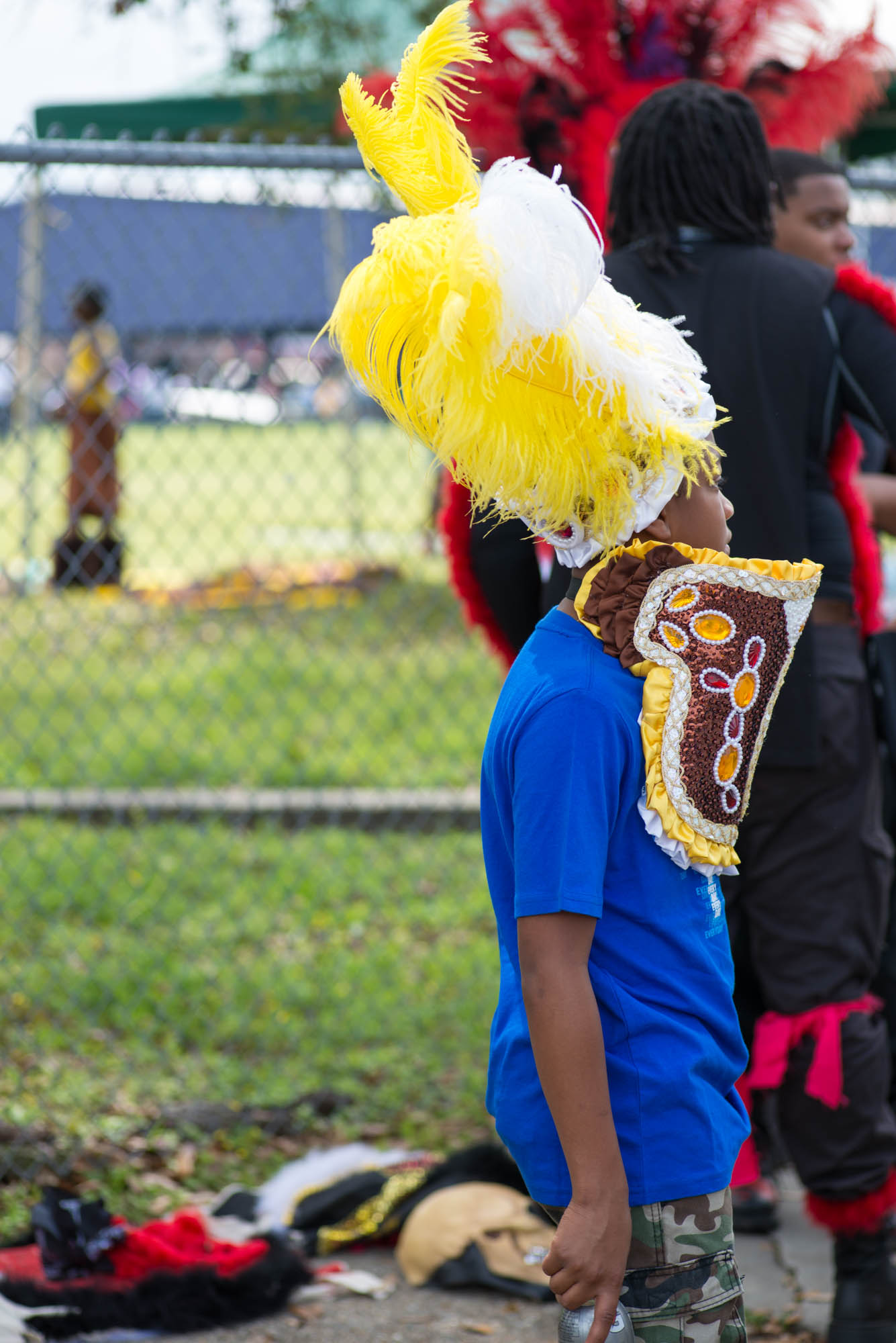
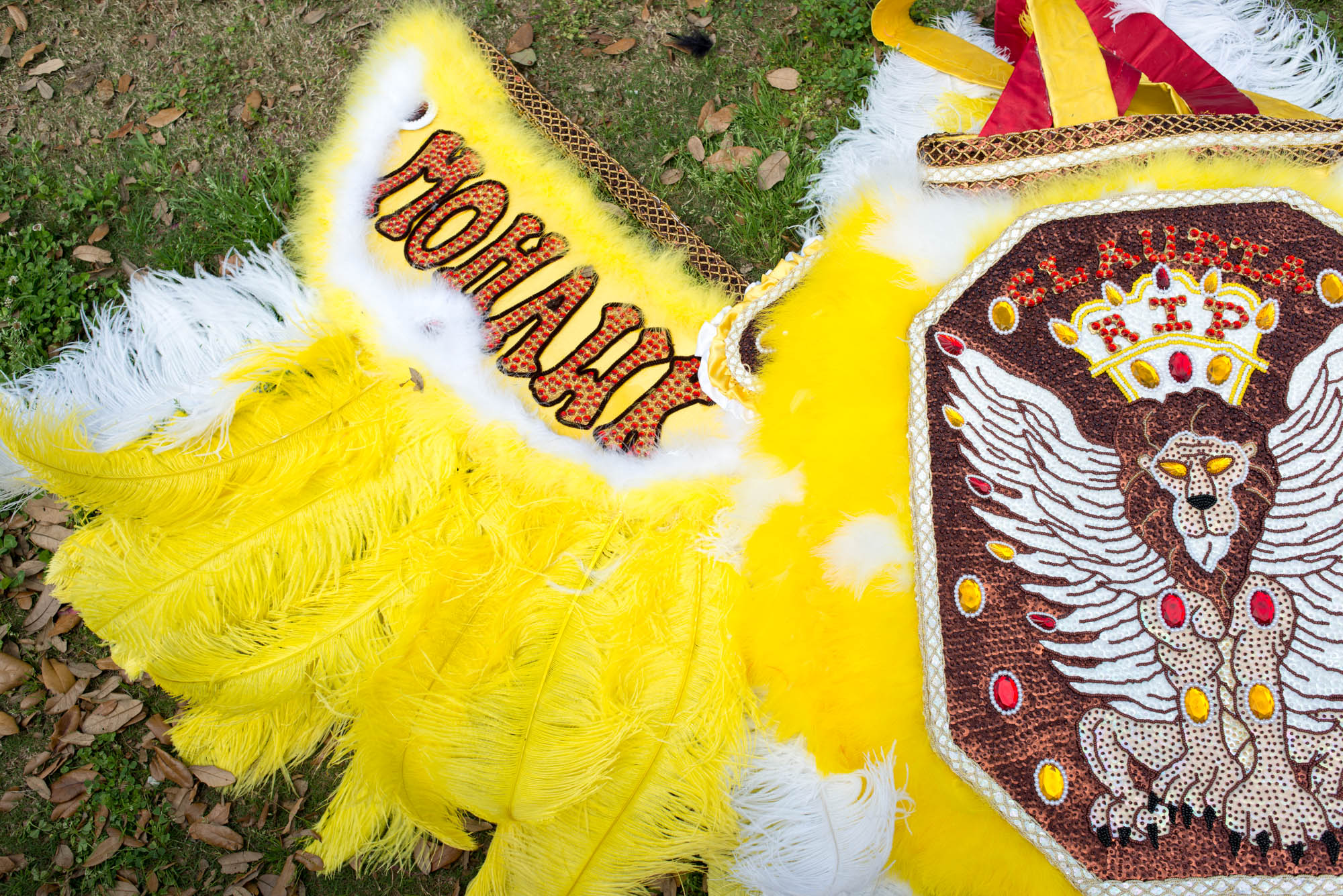
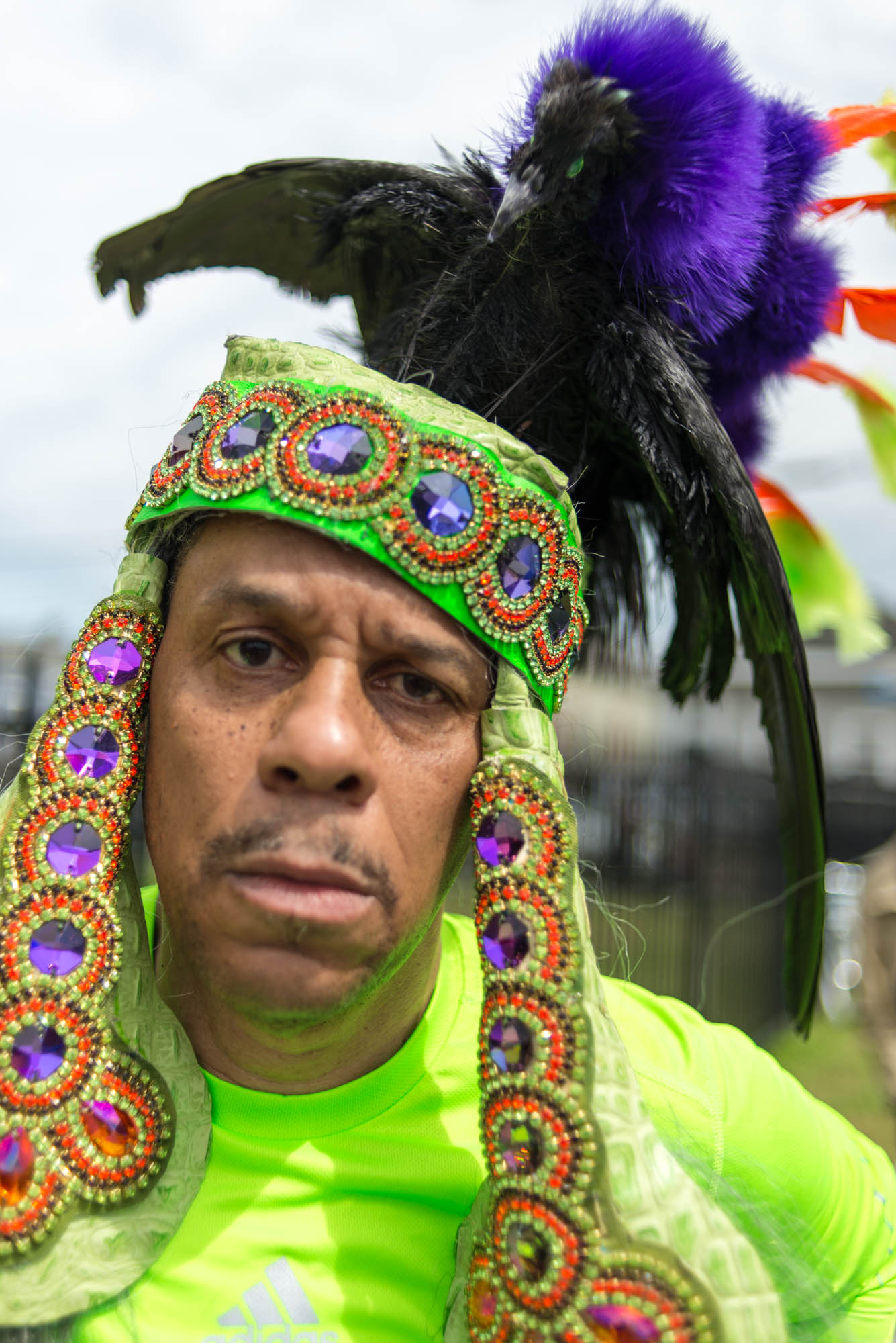
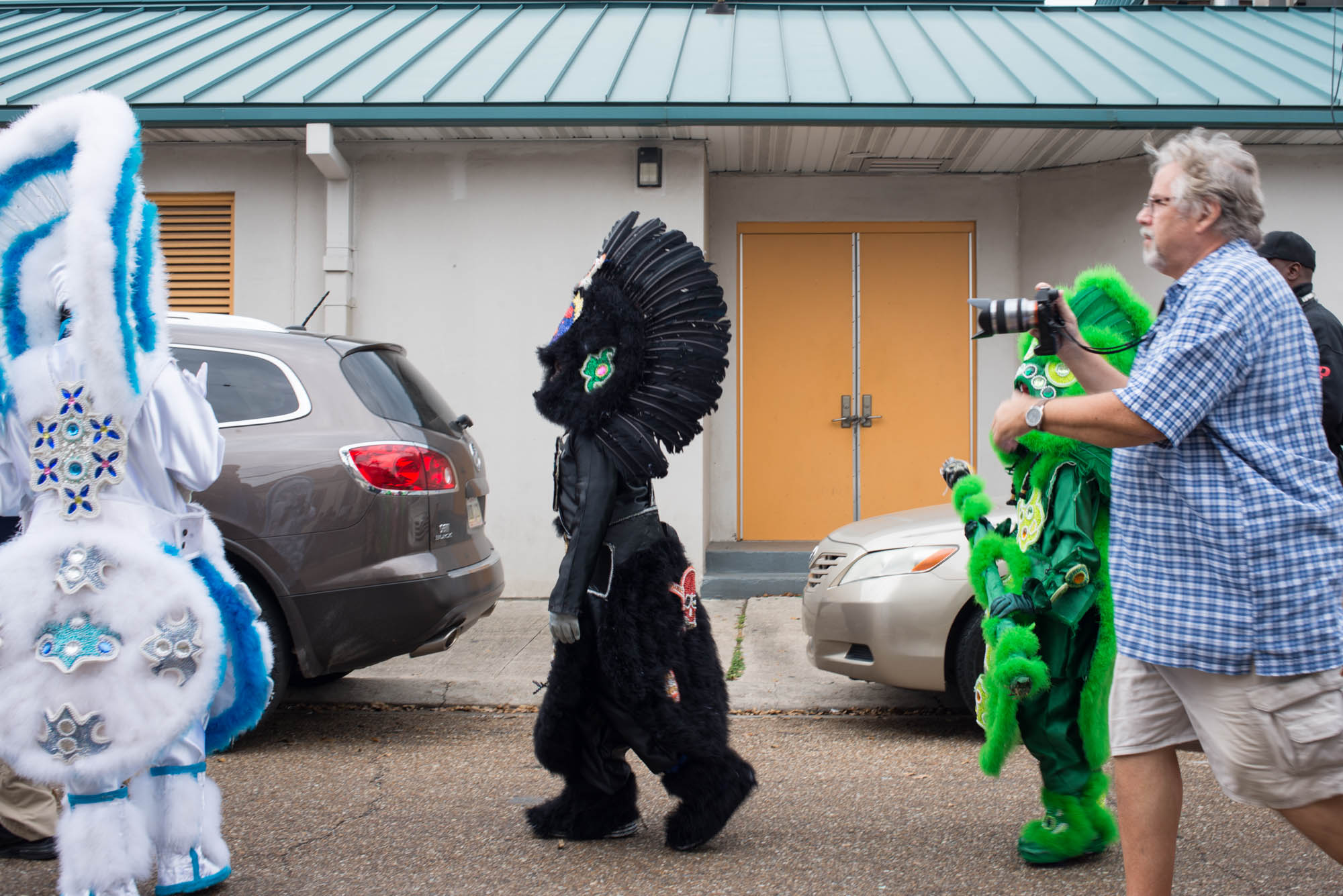
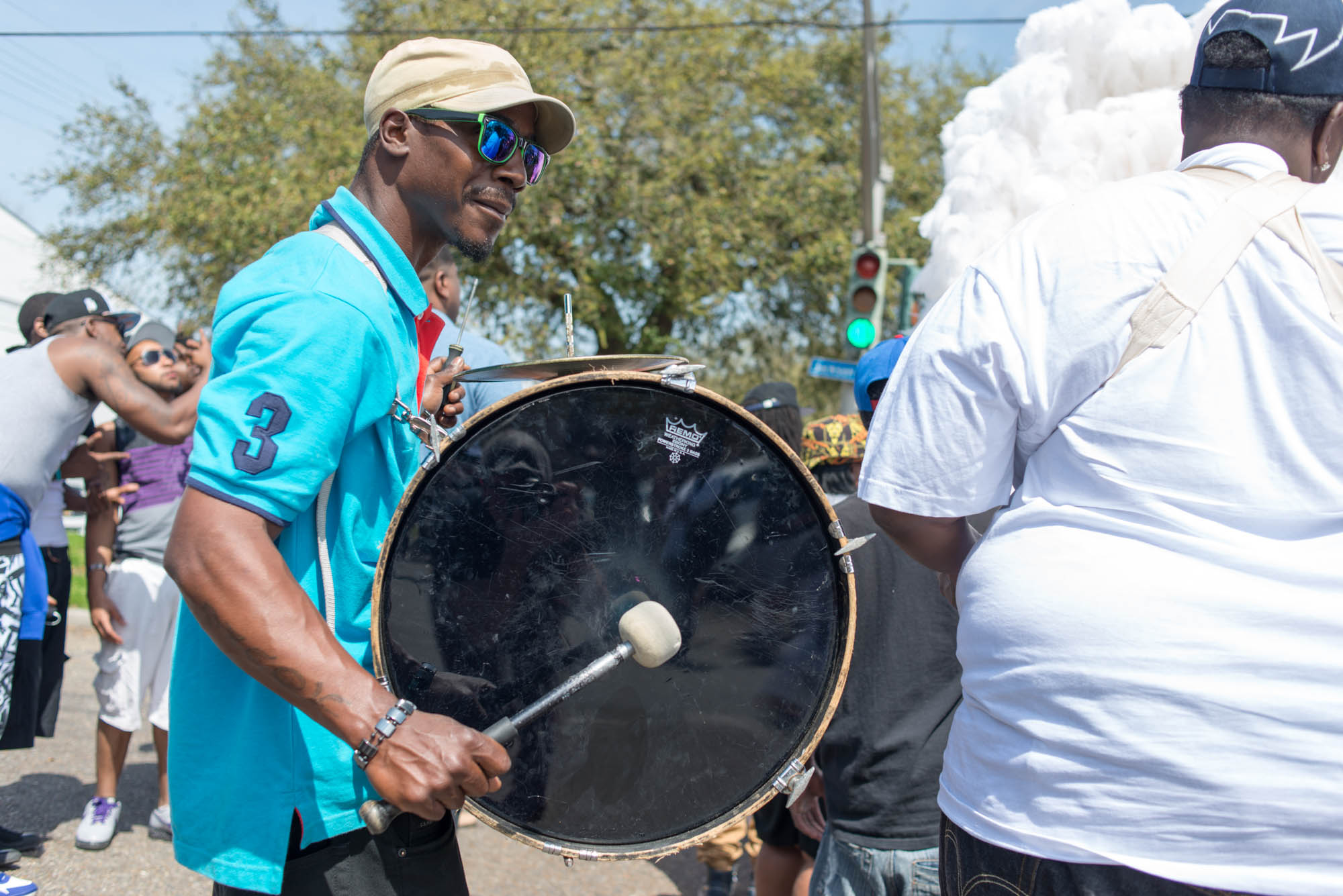
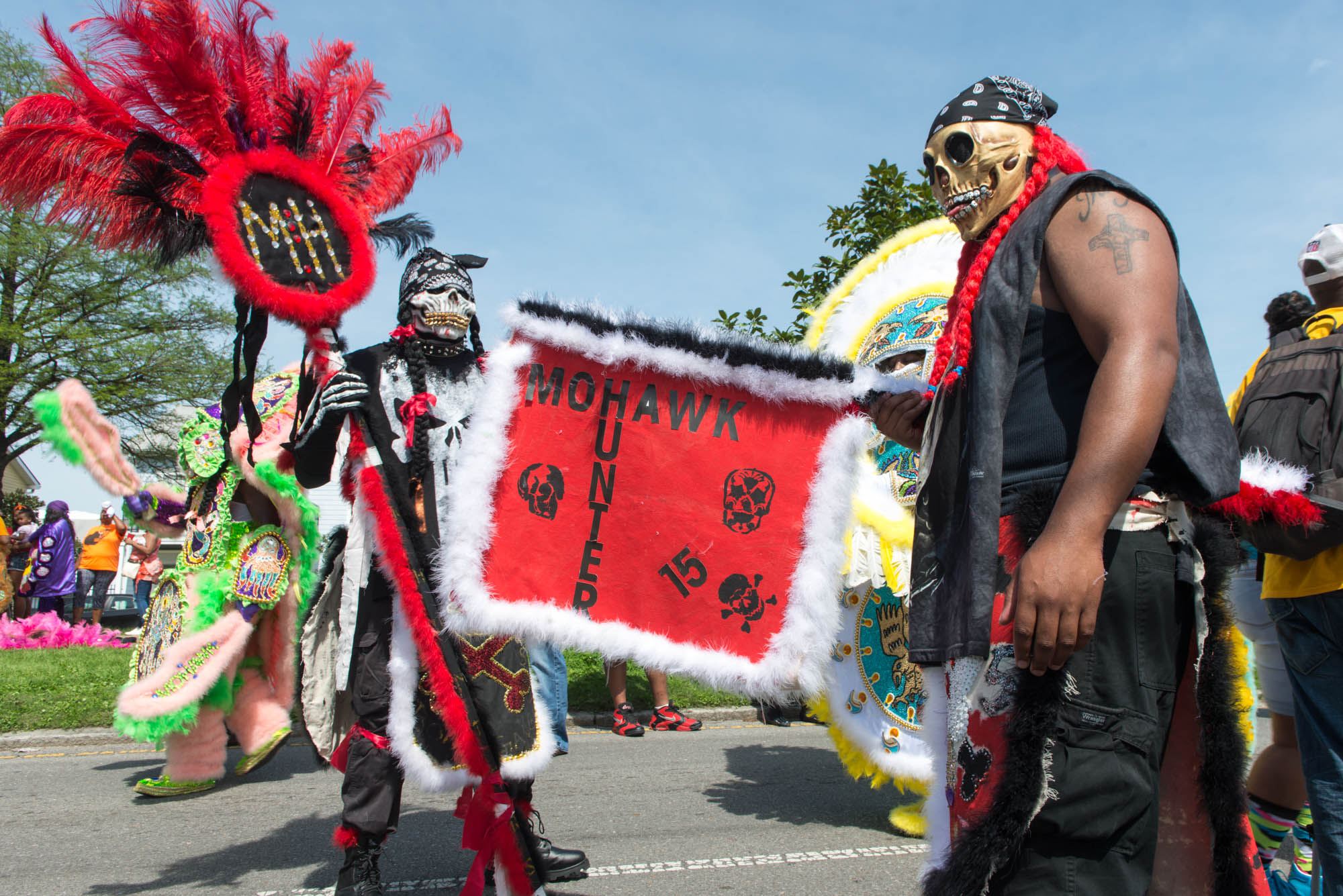
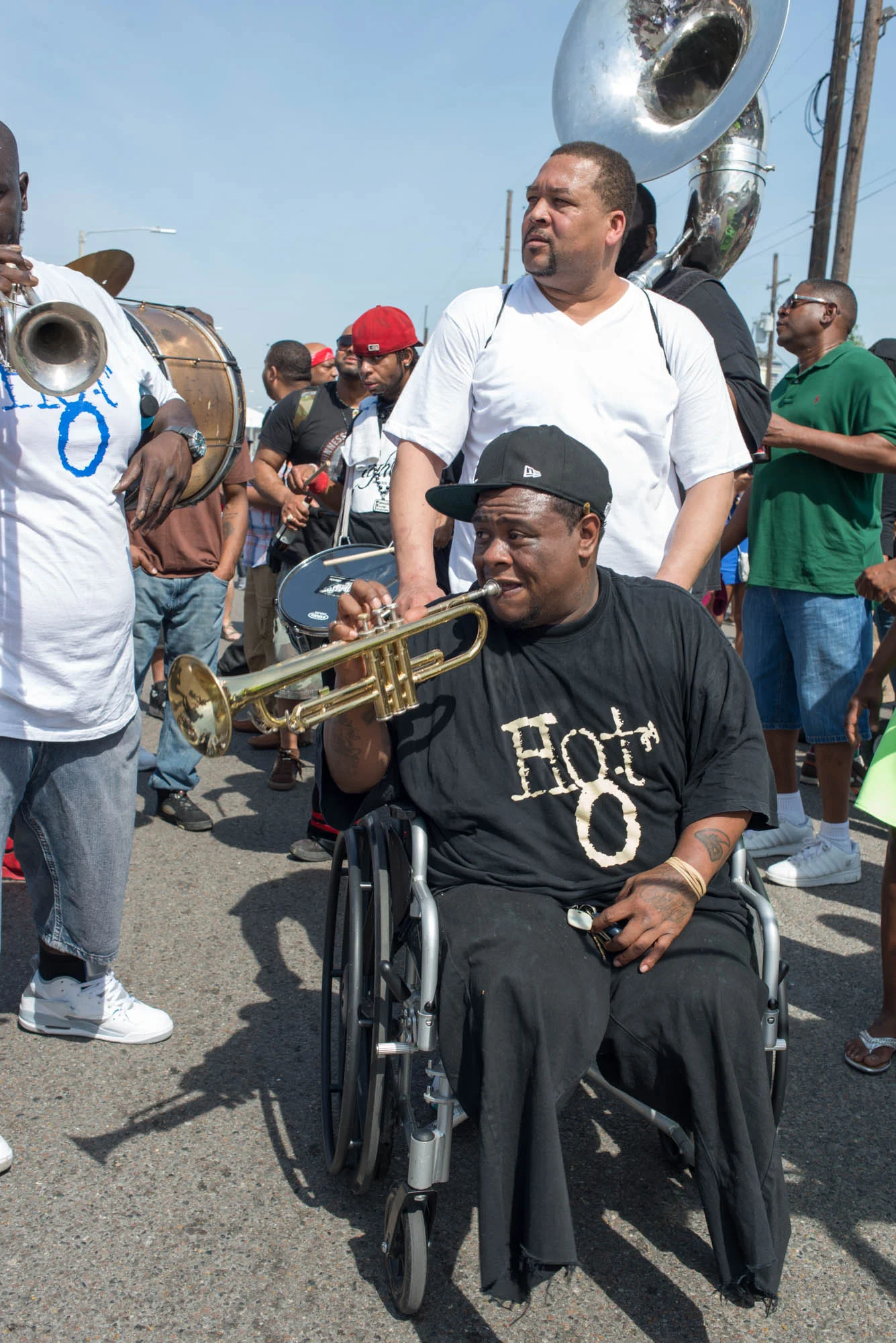
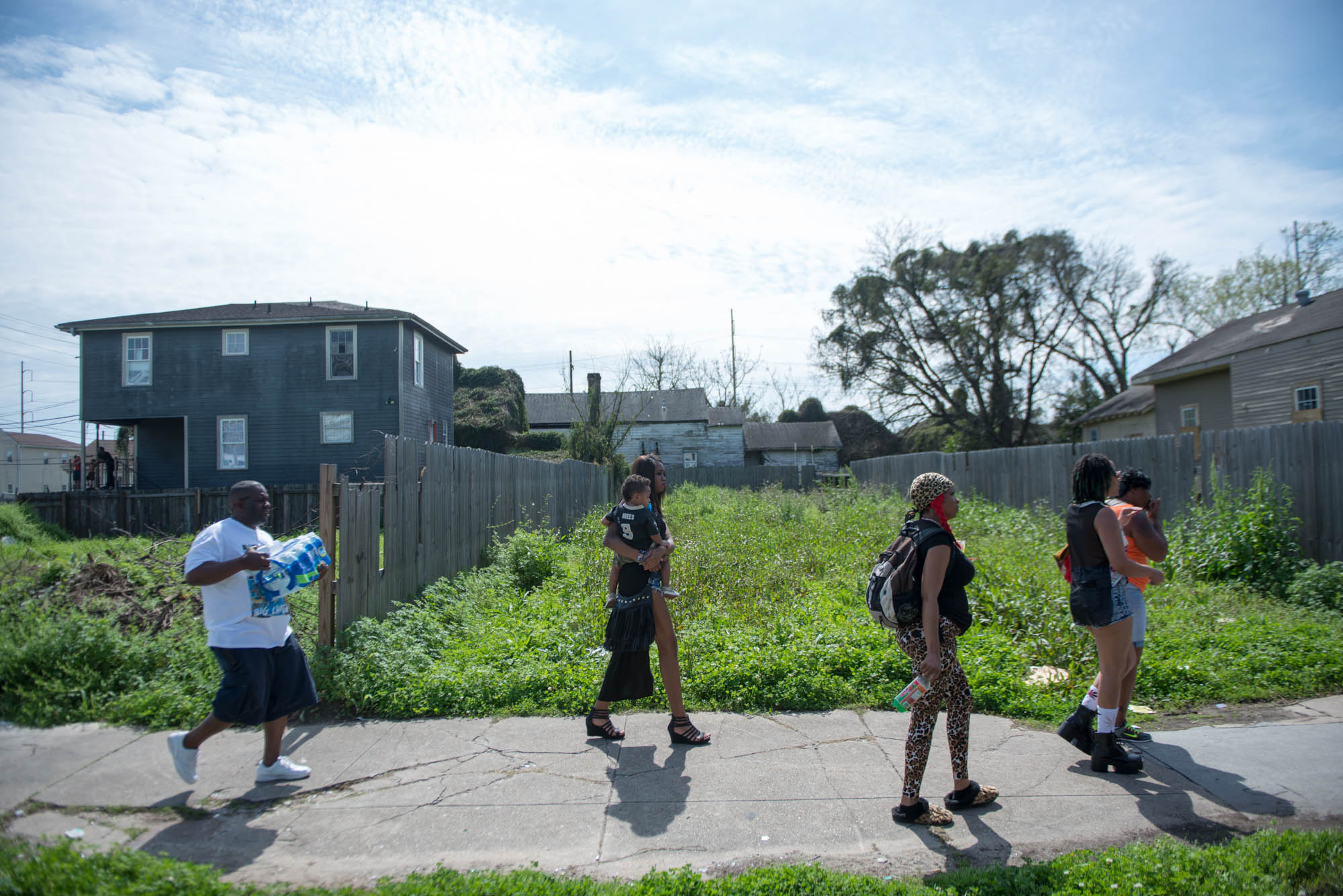
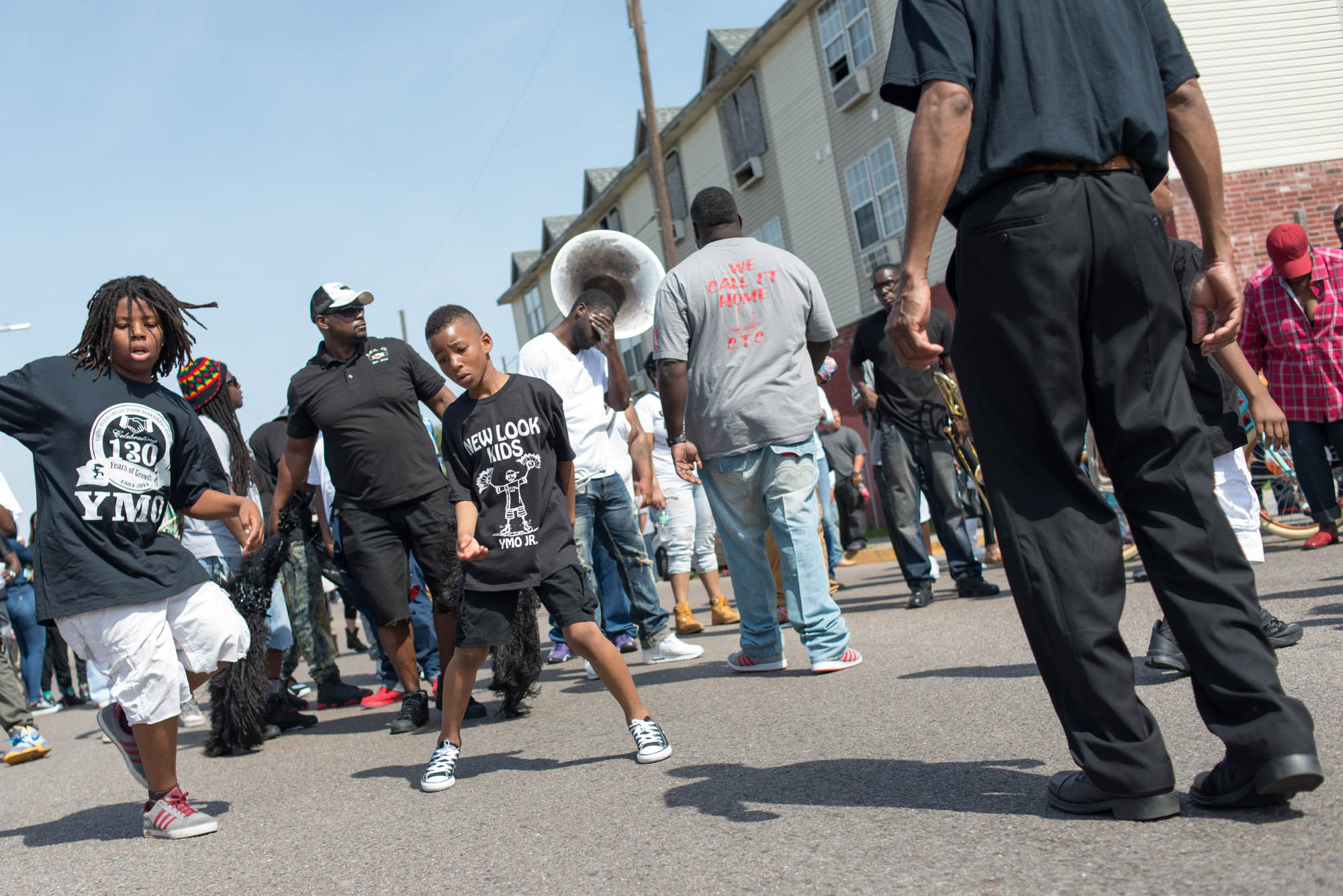
I quickly put together a photo essay of the event that highlighted the indians, neighborhoods and music that embody this New Orleans tradition.
Super Sunday at A.L. Davis Park in Central City
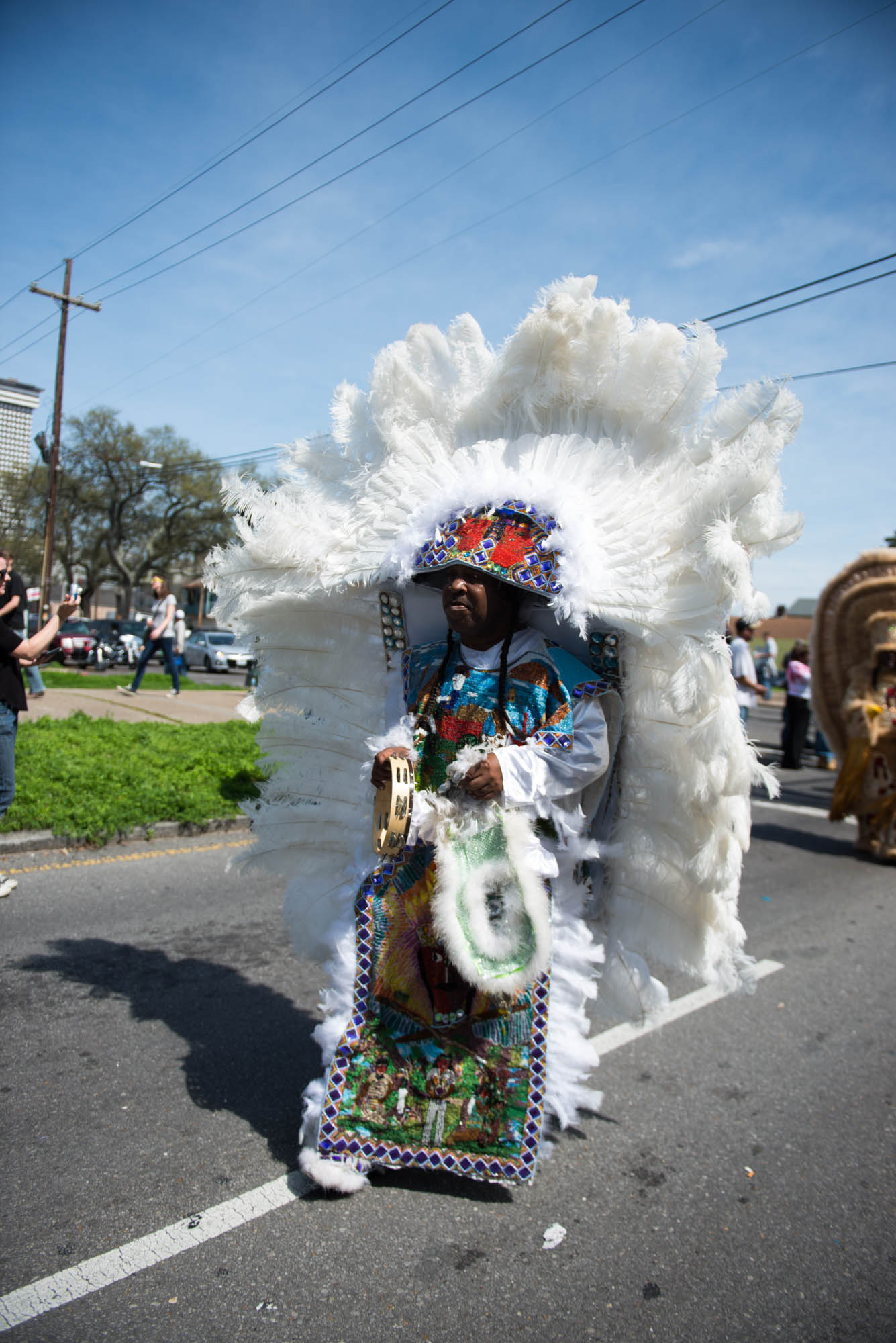
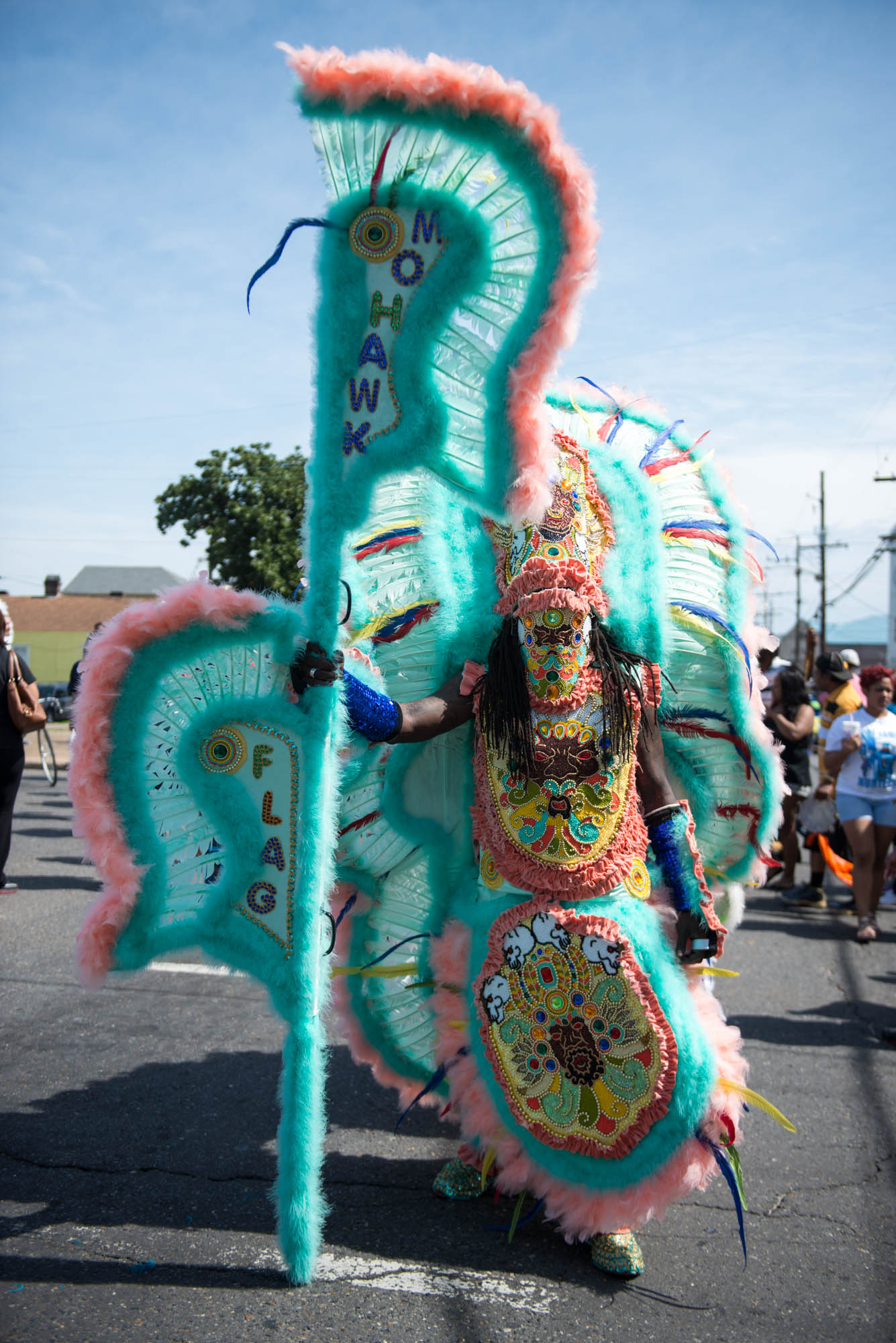
Yesterday was my first Super Sunday and I wasn't fully aware of what to expect. I was looking forward to seeing the Mardi Gras indians in their beautifully colored, embroidered suits, which they spend up to nine months planning and creating. Speaking with some of the indians, I learned more of the origin of this tradition, however NewOrleansOnline.com does a better job of explaining than I could:
"To most Americans, "Super Sunday" connotates the Sunday on which the NFL Super Bowl is played. However, in New Orleans, Super Sunday has a different, totally unrelated meaning. It is a day for the city's Mardi Gras Indian tribes to put on their colorful suits and "strut their stuff" while marching in a procession through the streets of their neighborhoods."
The article continues to explain the history HERE.
I quickly put together a photo essay of the event that highlighted the indians, neighborhoods and music that embody this New Orleans tradition.